
Tummy tuck surgery, also known as abdominoplasty, is a body-contouring procedure designed to remove excess abdominal skin and selected fat deposits while improving the contour and support of the abdominal wall when appropriate.


Pregnancy, significant weight changes, aging, and individual tissue characteristics can lead to excess skin, loss of abdominal firmness, and changes in the contour of the abdomen. In some individuals, these concerns may remain despite regular exercise and weight control.
Abdominoplasty is not a weight-loss procedure. It is designed to improve the shape of the abdominal area by addressing excess skin and, when required, weakened or separated abdominal wall structures. The surgical plan is individualized according to skin excess, fat distribution, abdominal wall characteristics, previous surgeries, and the patient’s expectations.
Tummy tuck surgery may be considered for individuals who experience:
Suitable candidates are generally in good overall health, at a relatively stable weight, have realistic expectations, and ideally do not smoke.
Individuals planning significant future weight loss or pregnancy may be advised to postpone surgery because major changes in weight or pregnancy can affect the surgical result.
Final suitability is determined after evaluating general health, medical history, previous abdominal surgery, smoking status, skin quality, abdominal wall structure, and individual surgical risk factors.
Planning begins with a detailed examination of the abdomen and overall body proportions.
During the consultation, the following characteristics may be evaluated:
The surgeon determines whether a full abdominoplasty, a more limited procedure such as a mini tummy tuck, or another body-contouring approach is more appropriate.
The position and length of the incision also depend on the amount of excess skin and the extent of correction required. The surgical plan should therefore be individualized rather than based on a single standard technique.
Abdominoplasty is generally performed under anesthesia.
In a full tummy tuck, a horizontal incision is typically made in the lower abdominal area. The length of the incision depends on the amount of excess skin and the degree of correction required.
The abdominal skin and tissues are carefully elevated according to the surgical plan. When weakened or separated abdominal wall structures require correction, they may be tightened or repaired.
Excess skin is then removed and the remaining tissues are repositioned to create a smoother abdominal contour. In a full abdominoplasty, a new opening is generally created for the belly button so that it can be positioned appropriately within the newly tightened abdominal skin.
The incision is then closed carefully. Temporary drains may be used in some surgical approaches to remove fluid that can accumulate beneath the tissues, although techniques vary between surgeons and patients.
Liposuction may also be incorporated into the treatment plan in selected cases to improve surrounding contour. Combining procedures, however, can increase the extent of surgery and should be evaluated according to individual safety considerations.
The recovery period after abdominoplasty varies according to the extent of surgery and individual healing characteristics.
During the early recovery period, patients may experience:
Dressings are applied to the incisions, and a compression garment may be recommended to support the abdominal area and help manage swelling. Temporary drains may also be used in selected patients.
Patients receive individualized instructions regarding:
Recovery from a full tummy tuck generally requires several weeks. The NHS advises that some patients may need approximately four to six weeks away from work and exercise, although recovery varies considerably according to the procedure and type of work.
Early walking is generally encouraged according to the surgeon’s instructions because prolonged immobility can increase the risk of postoperative complications such as blood clots.
The improvement in abdominal contour can usually be noticed soon after surgery. However, postoperative swelling means that the final result is not visible immediately.
As swelling gradually decreases and the tissues settle, the abdomen becomes more defined. The appearance can continue to improve over several months. Cleveland Clinic notes that the final result may take up to approximately three months to become apparent in some patients.
The surgical scar also changes gradually. It may initially appear red, firm, or more noticeable and can continue to mature for several months to approximately one year.
The structural changes achieved through tummy tuck surgery can be long-lasting, particularly when body weight remains relatively stable.
However, the procedure cannot stop natural aging or prevent future changes in the body. Significant weight gain, weight loss, or pregnancy may stretch the abdominal tissues again and affect the surgical result.
For this reason, patients planning substantial weight loss or future pregnancy may be advised to delay surgery.
Maintaining a stable weight and a healthy lifestyle can help preserve the improved abdominal contour over the long term.
Abdominoplasty is a major surgical procedure and carries potential risks and complications.
These may include:
Smoking can negatively affect blood circulation and wound healing and may increase the risk of complications. General health, body weight, the extent of surgery, and previous abdominal procedures also influence the individual risk profile.
All potential risks and alternative treatment options should therefore be discussed in detail before surgery.
No. Abdominoplasty is a body-contouring procedure and should not be considered a substitute for weight loss, healthy nutrition, or exercise. It is primarily intended to remove excess skin and improve abdominal contour in appropriately selected patients.
Liposuction primarily removes localized fat deposits but does not remove significant excess skin. A tummy tuck is designed to address loose skin and may also improve weakened abdominal wall structures when necessary.
In selected patients, liposuction and abdominoplasty may be combined.
When weakened or separated abdominal wall structures are present and correction is appropriate, they may be repaired or tightened during abdominoplasty. However, the exact surgical technique depends on the patient’s anatomy.
Yes. Abdominoplasty requires a permanent surgical incision, usually positioned across the lower abdominal area. The length depends on the amount of excess skin and the surgical technique.
The scar generally becomes less noticeable as it matures, but complete disappearance should not be expected. Scar maturation may continue for several months to a year.
A tummy tuck is not specifically a treatment for stretch marks. However, stretch marks located on skin that is removed during surgery will also be removed with that tissue.
Stretch marks remaining on the skin outside the removed area may still be present and may change position after the tissues are tightened.
Pregnancy is possible after abdominoplasty, but pregnancy can stretch the abdominal skin and abdominal wall again and may alter the surgical result.
Patients planning future pregnancies may therefore be advised to postpone surgery until after completing their pregnancy plans.
A mini tummy tuck is a more limited abdominal contouring procedure generally focused on selected excess skin in the lower abdominal area. It usually involves a shorter incision than a full abdominoplasty and may be appropriate for carefully selected patients with more limited skin laxity.
The timing depends on the extent of surgery and individual healing. Light walking is usually introduced early according to the surgeon’s instructions, while strenuous exercise and heavy lifting require a longer recovery period.
Some patients may need approximately four to six weeks before returning to more demanding activity, although the exact timing should always be determined individually.
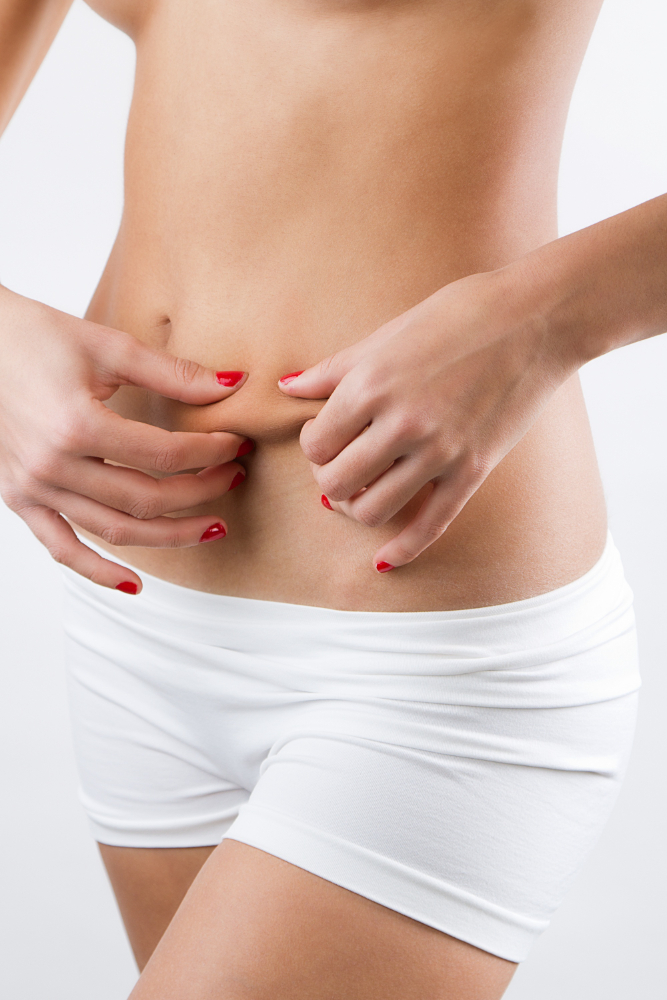
There is no single tummy tuck technique that is suitable for every patient.
Some individuals mainly have excess lower abdominal skin, while others may have more extensive skin laxity, localized fat deposits, weakened abdominal wall structures, or changes following significant weight loss or pregnancy.
During the consultation, the abdomen is evaluated as a whole. Skin excess, fat distribution, abdominal wall characteristics, existing scars, body proportions, weight stability, lifestyle, and future pregnancy plans are considered together.
Based on these findings, the most appropriate surgical technique and incision plan are determined individually.
The aim of personalized planning is to improve abdominal contour while respecting the patient’s anatomy and prioritizing surgical safety.
The information provided on this page is intended for general informational purposes only. It does not replace diagnosis, treatment, or personalized medical advice. The appropriate surgical plan should be determined after an individual examination by a specialist in Plastic, Reconstructive and Aesthetic Surgery.
Formu doldurarak estetik cerrahi süreciniz hakkında ilk adımı atabilirsiniz. Ekibimiz, talebiniz doğrultusunda sizinle iletişime geçerek uygun görüşme planlamasını sağlayacaktır.