
The shape and proportions of the legs are influenced by factors such as genetics, fat distribution, skin elasticity, aging, weight fluctuations, and significant weight loss. In some individuals, localized fat deposits or loose skin may remain despite maintaining a healthy lifestyle.
Leg aesthetics is not a single standardized procedure. Depending on the patient’s anatomy and aesthetic concerns, treatment may involve liposuction, skin-removal and tightening procedures such as a thigh lift, or a combination of different body-contouring techniques. The most appropriate approach is determined through an individual evaluation.


Leg aesthetics, also referred to as leg contouring, includes surgical procedures aimed at creating smoother, more balanced, and proportionate contours in different areas of the legs.
Treatment may focus on areas such as:
When the main concern is localized fat accumulation and the skin has sufficient elasticity, liposuction may be considered to improve the contour of the thighs and surrounding areas. When significant skin laxity is present, particularly after major weight loss, removing excess skin through a thigh lift may provide a more appropriate solution.
The aim is not to create a standardized leg shape but to improve the relationship between the thighs, knees, hips, and overall body proportions according to the individual anatomy.
Planning begins with a detailed evaluation of the entire leg rather than focusing only on a single area.
During the consultation, the following factors may be assessed:
The treatment plan is determined according to the main cause of the contour concern.
If localized fat is the primary issue and the skin is sufficiently elastic, liposuction may be recommended. If excess skin and significant tissue laxity are present, a thigh lift or another body-contouring procedure may be considered. In selected patients, more than one technique may be combined to address different anatomical concerns.
The surgical technique varies depending on the patient’s anatomy and the procedures included in the treatment plan.
When localized fat deposits are the main concern, small incisions are made and a thin cannula is used to remove selected fat deposits. The aim is to improve contour rather than simply remove the maximum possible amount of fat.
Areas such as the inner thighs, outer thighs, and selected regions around the knees may be treated depending on the individual anatomy.
When significant skin laxity is present, particularly after major weight loss, excess skin and tissue may be surgically removed. The remaining tissues are then repositioned to create a smoother and firmer thigh contour.
The location and length of the incisions depend on the amount and distribution of excess skin. Some procedures may involve incisions limited mainly to the groin region, while more extensive skin laxity may require longer incisions.
The exact surgical approach is therefore different for every patient and should be planned according to the underlying anatomical concern.
The recovery process varies significantly depending on whether the procedure involves liposuction, skin removal, or a combination of techniques.
After liposuction, swelling, bruising, tenderness, and temporary changes in sensation may occur. Compression garments may be recommended to support the treated areas and help control postoperative swelling. Many patients gradually return to routine activities over the following weeks, although exercise and more demanding physical activities may need to be limited initially.
Recovery after a thigh lift is generally more extensive because surgical incisions and skin removal are involved. Dressings may be applied, and temporary drains may sometimes be used. Activities that place excessive tension on the surgical areas should be avoided during the initial healing period.
The exact timing for returning to work, exercise, and normal activities depends on the procedure performed and the individual healing process.
An initial change in the contour of the legs may be noticeable shortly after surgery. However, swelling can temporarily affect the appearance of the final result.
After liposuction, the new contour becomes progressively clearer as swelling decreases. It may take several months for residual swelling to fully resolve and for the final contour to become more apparent.
Following a thigh lift, the improvement in skin laxity can be seen early, but the tissues continue to settle as healing progresses. Surgical scars also undergo a maturation process and generally change in appearance over time.
Final results therefore develop gradually rather than immediately.
Bacak konturundaki ilk değişiklik ameliyatın hemen ardından fark edilebilir. Ancak erken dönemde oluşan şişlik, morluk, pansumanlar ve dokulardaki gerginlik nedeniyle nihai görünüm hemen değerlendirilmemelidir.
İlk haftalarda:
Ödem azaldıkça bacak hatları daha belirgin hâle gelir. Uyluk germe ameliyatından sonra nihai konturun değerlendirilmesi birkaç ay sürebilir. Cleveland Clinic, şişliğin tamamen azalmasının ve sonucun belirginleşmesinin yaklaşık altı aya kadar devam edebileceğini bildirmektedir.
Liposuction sonrasında da cilt altındaki sertliklerin yumuşaması ve dokuların yeni kontura yerleşmesi birkaç ay sürebilir.
Uyluk germe ameliyatında kalıcı iz oluşur. İzlerin konumu uygulanan tekniğe göre değişebilir:
İzler ilk dönemde kırmızı, pembe, sert veya kabarık görünebilir. Zamanla yumuşayabilir ve renkleri açılabilir; ancak tamamen kaybolmaları beklenmemelidir.
Kasık kıvrımına yerleştirilen iz, iyileşme sırasında doku gerilimine bağlı olarak aşağı doğru yer değiştirebilir. Bu olasılık özellikle iç uyluk germe ameliyatının planlama ve bilgilendirme sürecinde ele alınmalıdır.
The results of leg contouring procedures can be long-lasting when body weight remains relatively stable.
Fat cells removed through liposuction do not regenerate in the same manner; however, remaining fat cells can still increase in size with significant weight gain. Weight fluctuations can therefore change the overall proportions of the legs after surgery.
Following skin-removal procedures, the natural aging process and changes in skin elasticity continue. Significant weight changes may also affect the results.
Maintaining a stable weight, regular physical activity, and a healthy lifestyle can contribute to preserving the achieved contour over the long term.
The possible risks of leg aesthetic surgery depend on the procedure performed.
Potential risks associated with liposuction may include:
Potential risks associated with thigh lift surgery may include:
The individual risk profile depends on factors including general health, smoking status, the extent of surgery, and personal healing characteristics. These risks should be discussed in detail during the preoperative consultation.
No. Leg aesthetics is a general term that includes different procedures designed to address specific concerns affecting the contour of the legs. Depending on the patient’s needs, treatment may involve liposuction, thigh lift surgery, or a combination of body-contouring techniques.
Liposuction may improve the contour of the legs when localized fat deposits are responsible for disproportion. However, the result depends on factors such as the amount and location of fat, leg structure, and skin elasticity. Liposuction is a body-contouring procedure rather than a weight-loss treatment.
Liposuction removes localized fat but does not directly remove significant excess skin. In patients with considerable skin laxity, particularly after major weight loss, a thigh lift or another skin-removal procedure may be more appropriate.
Different areas of the legs may be evaluated within the same treatment plan. Whether several areas can be treated during one operation depends on the patient’s anatomy, the extent of the planned procedure, and surgical safety considerations.
The amount of scarring depends on the procedure. Liposuction generally requires small access incisions, while thigh lift surgery requires longer incisions to remove excess skin. The location of the scars is planned according to the surgical technique and individual anatomy.
Procedures such as liposuction are primarily designed to address localized fat and body contour. They are not specifically designed as cellulite treatments, and in some cases skin irregularities may remain or become more noticeable.
The timing depends on the type and extent of the procedure. Light activity is generally resumed gradually, while strenuous exercise and movements that place significant tension on the treated areas should be postponed until sufficient healing has occurred and the surgeon has approved the return to exercise.
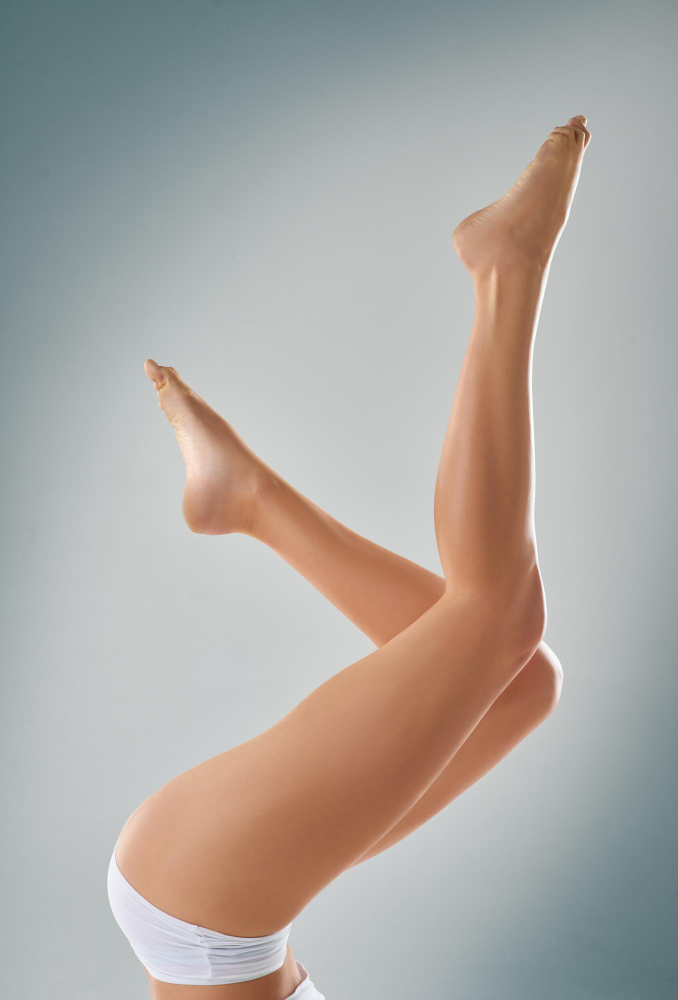
There is no single surgical technique that can address every concern related to leg shape.
For some individuals, the primary issue is localized fat accumulation. For others, loose skin or tissue laxity may be the dominant concern. In some cases, different problems may occur together and require a combined treatment approach.
During the consultation, the legs are evaluated as a whole, including the relationship between the thighs, knees, hips, skin quality, fat distribution, and overall body proportions. Based on this examination, the most appropriate surgical technique or combination of procedures is determined individually.
The aim of personalized planning is to achieve smoother and more balanced leg contours while respecting the patient’s natural anatomy and prioritizing surgical safety.
The information provided on this page is intended for general informational purposes only. It does not replace diagnosis, treatment, or personalized medical advice. The decision to undergo surgery should be made after an examination performed by a specialist in Plastic, Reconstructive and Aesthetic Surgery.
Formu doldurarak estetik cerrahi süreciniz hakkında ilk adımı atabilirsiniz. Ekibimiz, talebiniz doğrultusunda sizinle iletişime geçerek uygun görüşme planlamasını sağlayacaktır.