
Fat grafting, also known as lipofilling or autologous fat transfer, is a personalized procedure in which fat is harvested from one area of the patient’s own body, processed, and transferred to another area to restore volume, improve contours, or address selected asymmetries.

Loss of facial volume can occur as part of the natural aging process, after significant weight changes, or because of individual anatomical characteristics. Changes in fat distribution may affect areas such as the cheeks, temples, under-eye region, lips, and facial contours.
Fat grafting uses the patient’s own fat tissue to restore or enhance volume in selected areas. The procedure involves harvesting fat through liposuction, preparing the collected tissue, and carefully reinjecting it into the areas that require additional volume. Unlike ready-made dermal fillers, the transferred material comes from the patient’s own body.
Facial fat grafting may be considered for individuals who experience:
Suitable candidates should have enough donor fat available for harvesting and should generally be in appropriate health for both liposuction and fat transfer.
Weight stability is also an important consideration because transferred fat remains living tissue and may respond to future weight changes. Significant weight loss after treatment may reduce transferred volume, while substantial weight gain may influence the appearance of the treated area.
The appropriate treatment is determined after evaluating facial anatomy, skin quality, the amount of volume loss, available donor areas, previous procedures, and individual expectations.
Planning begins with a detailed evaluation of both the treatment area and potential donor areas.
During the consultation, the following characteristics may be assessed:
The amount of fat transferred is planned according to the anatomical area and the desired degree of correction.
Because not all transferred fat establishes a permanent blood supply and survives, the final retained volume can vary between patients. For this reason, some patients may require additional treatment sessions to achieve or maintain the desired result.
The goal is not simply to add as much volume as possible. Careful distribution of small amounts of fat across appropriate tissue planes is important for creating smooth transitions and a natural facial contour.
Fat grafting is generally performed in several stages.
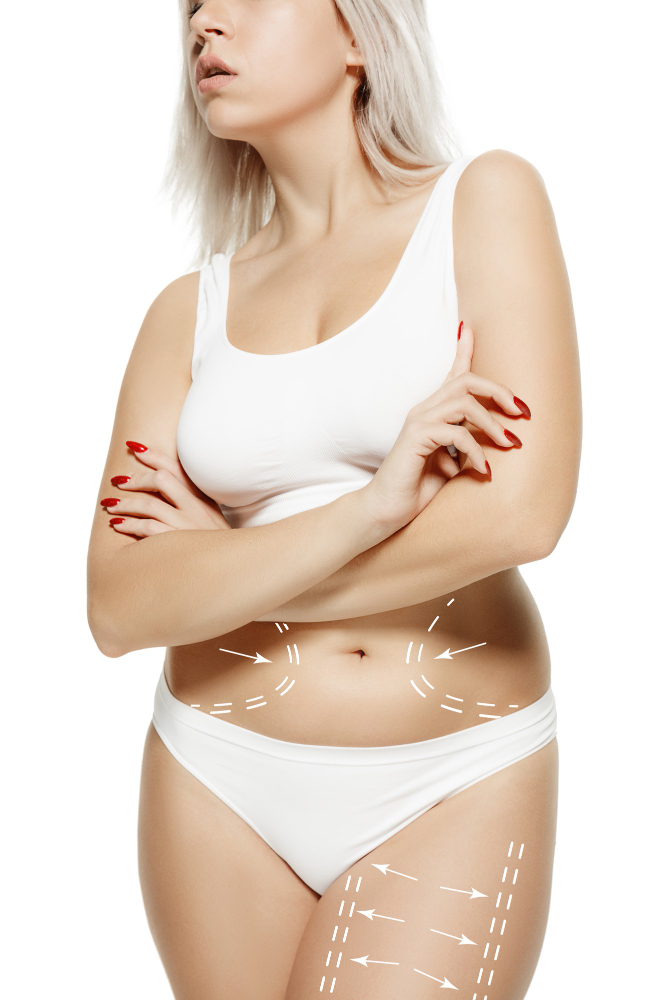
First, a suitable donor area is selected. Common donor areas may include the abdomen, waist, hips, or thighs.
Through small incisions, fat is removed using liposuction techniques. The goal is to obtain sufficient fat for transfer while also maintaining a balanced contour in the donor area.
The collected fat is then processed to separate usable fat tissue from excess fluid and other unwanted components.
Different preparation systems and techniques may be used depending on the surgical approach. The prepared fat is then placed into suitable syringes for transfer.
The processed fat is carefully injected into predetermined areas using small cannulas.
Instead of depositing a large volume in one location, fat is generally distributed in small amounts across different tissue planes. This technique is intended to support integration of the transferred fat with the surrounding tissues and help create smoother contours.
The exact technique varies according to the area being treated, the amount of correction required, and the surgeon’s individual treatment plan.
Recovery after fat grafting involves healing in both the donor area and the area where the fat has been transferred.
During the early recovery period, patients may experience:
Facial swelling can remain noticeable for approximately two weeks in some patients, although the degree and duration vary considerably.
The treated area may initially appear fuller than expected because of postoperative swelling and the volume of newly transferred fat. The appearance gradually changes as swelling decreases and the surviving fat becomes established.
Patients generally receive individualized instructions regarding:
The recovery period depends on the amount of liposuction performed, the areas treated, and whether fat grafting is combined with another surgical procedure.
An increase in volume is visible immediately after fat transfer. However, the early appearance does not represent the final result.
During the first weeks, swelling gradually decreases and a portion of the transferred fat may also be naturally resorbed by the body. The fat cells that successfully establish an adequate blood supply can remain as living tissue within the treated area.
The facial contour therefore continues to change during the healing period.
The final result is usually evaluated after sufficient time has passed for:
The exact timeline varies between patients and according to the amount and location of fat transferred.
Fat grafting can provide long-lasting volume enhancement, but the final amount of retained fat is not completely predictable.
A proportion of the transferred fat may be absorbed by the body during the early healing period. Fat that successfully establishes a blood supply can remain for the long term and behaves as living fat tissue.
The long-term appearance may be influenced by:
Maintaining a relatively stable body weight can help preserve the achieved volume and facial contour. Significant weight changes can also change the size of transferred fat cells.
Additional fat grafting sessions may be considered when further volume enhancement is desired or when part of the initial transferred volume has been resorbed.
As with every surgical procedure, fat grafting involves potential risks and complications.
Possible risks may include:
Fat necrosis occurs when some transferred fat cells do not survive. Depending on the treatment area, this may result in firmness, oil cysts, contour irregularities, or other changes that may require follow-up. Fat-transfer procedures involving the breast, for example, may also be associated with cysts and microcalcifications.
The risk profile also varies according to the anatomical area receiving the fat. Fat transfer to certain regions, particularly the buttocks, involves specific risks that are different from facial fat grafting and requires specialized safety considerations.
No. Dermal fillers use manufactured injectable materials to create volume, while fat grafting uses fat harvested from the patient’s own body.
Fat grafting also requires a donor-area liposuction procedure, making it more extensive than a standard injectable filler treatment.
Some of the transferred fat may be absorbed during the early healing period. Fat cells that successfully establish a blood supply can remain for the long term.
However, the exact amount of surviving fat varies between patients, so the final retained volume cannot be predicted with complete precision.
Depending on individual anatomy, fat grafting may be considered for areas such as the cheeks, temples, midface, selected under-eye hollows, lips, and other regions affected by volume deficiency.
The suitability of each area should be evaluated individually because different facial regions require different techniques and amounts of fat.
Fat may be harvested from areas with sufficient donor tissue, such as the abdomen, waist, hips, or thighs.
The donor area is selected according to the amount of fat required, the patient’s anatomy, and the overall surgical plan.
No. Not all transferred fat cells are expected to survive permanently.
The transferred cells need to develop a sufficient blood supply in their new location. The amount that survives varies depending on factors such as the treatment technique, anatomical area, patient characteristics, and postoperative healing.
Yes. Additional fat-transfer sessions may be considered when further volume is desired or when part of the transferred fat has been absorbed.
The need for another procedure should be evaluated after the initial tissues have had sufficient time to heal and stabilize.
Significant weight loss can reduce the size of transferred fat cells and may affect the volume achieved through fat grafting. For this reason, undergoing the procedure at a relatively stable weight is generally preferable.
Fat harvesting requires small liposuction access incisions, and fat transfer is performed using small entry points for injection cannulas.
Small scars may therefore remain at donor-area access sites, although their location and number depend on the treatment plan.
Fat grafting primarily restores or enhances lost volume. A facelift primarily addresses tissue descent and skin laxity by repositioning deeper facial tissues and removing selected excess skin.
In suitable patients, the two procedures may be used together because they address different aspects of facial aging.
There is no standard amount or distribution of fat that is suitable for every patient.
Facial volume loss should be evaluated together with the patient’s bone structure, skin quality, soft-tissue distribution, facial symmetry, age-related changes, and overall proportions.
During the consultation, it is determined whether the patient’s concern is primarily related to volume loss or whether skin laxity and tissue descent also require another procedure. Potential donor areas are also evaluated to ensure that sufficient fat is available for transfer.
The aim of personalized planning is to restore or enhance volume while maintaining natural facial proportions and avoiding excessive fullness.
Patients should also understand that fat grafting is a biological process. The survival of transferred fat can vary, and additional sessions may occasionally be required to achieve the desired degree of correction.
The information provided on this page is intended for general informational purposes only. It does not replace diagnosis, treatment, or personalized medical advice. The appropriate treatment plan should be determined after an individual examination by a specialist in Plastic, Reconstructive and Aesthetic Surgery.
Formu doldurarak estetik cerrahi süreciniz hakkında ilk adımı atabilirsiniz. Ekibimiz, talebiniz doğrultusunda sizinle iletişime geçerek uygun görüşme planlamasını sağlayacaktır.