
Facelift surgery, also known as rhytidectomy, is a personalized facial rejuvenation procedure designed to address tissue descent, loss of facial definition, and selected age-related changes in the lower and midface. The procedure aims to reposition deeper facial tissues and improve facial contours while preserving the patient’s natural expression.
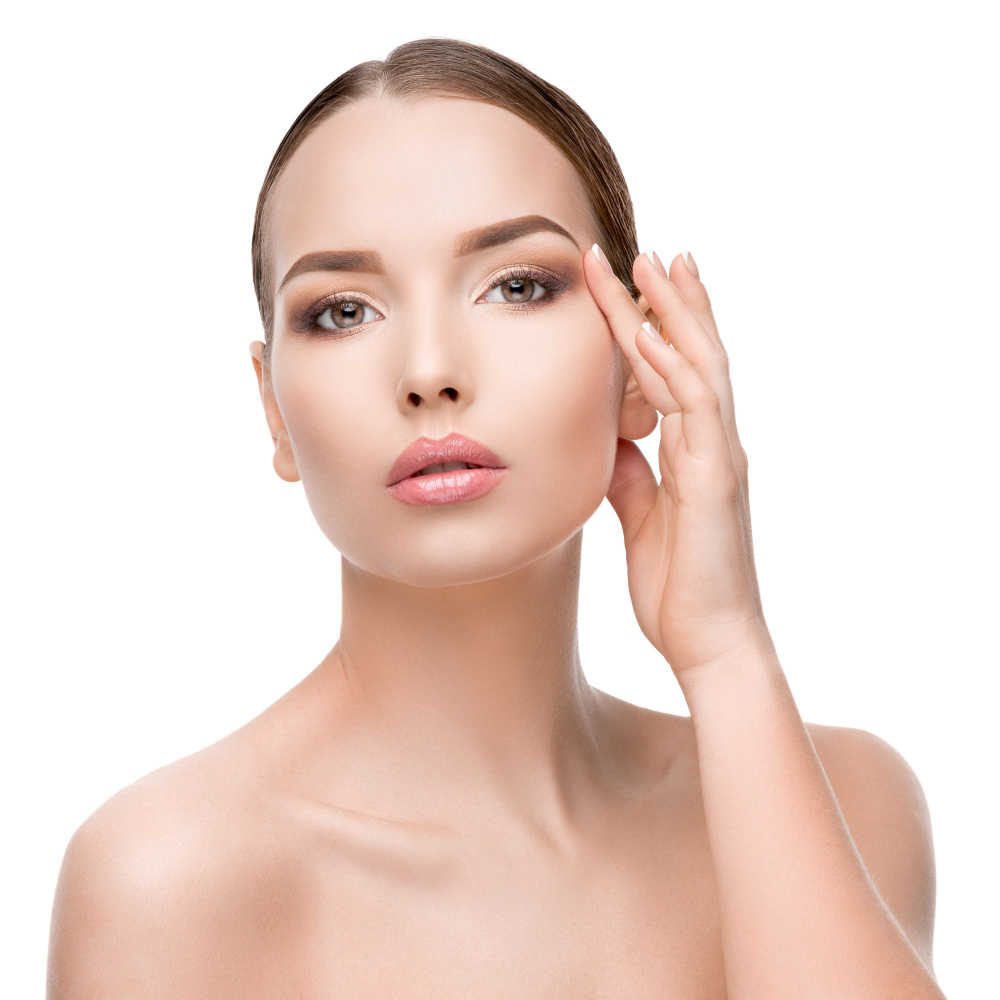

Facial aging is influenced by changes in skin elasticity, facial fat distribution, deeper supporting tissues, gravity, sun exposure, lifestyle factors, and individual genetics. Over time, these changes may contribute to sagging of the cheeks, deeper facial folds, reduced jawline definition, and loose tissue in the lower face.
Facelift surgery does not aim to create a completely different face or eliminate every sign of aging. The procedure is planned to improve selected age-related changes while maintaining facial proportions and natural expression. Depending on the patient’s anatomy, facelift surgery may also be combined with procedures such as neck lift, eyelid surgery, brow lift, or fat grafting.
Facelift surgery may be considered for individuals who experience:
Suitable candidates should generally be in appropriate overall health for surgery and should understand the benefits, limitations, scars, recovery period, and possible risks involved. Smoking is an important consideration because it can negatively affect blood supply and wound healing.
There is no specific age at which every patient should undergo facelift surgery. Suitability depends more on facial anatomy, tissue quality, degree of aging, general health, and individual expectations than on age alone.
Facelift planning begins with a detailed evaluation of the entire face rather than focusing only on loose skin.
During the consultation, the following factors may be assessed:
The surgeon may examine and measure the face, take photographs, discuss available techniques, and explain the expected outcome, limitations, anesthesia options, and possible complications.
The surgical plan is individualized because some patients primarily require improvement of the lower face, while others may have changes involving the cheeks, jawline, and neck together. Additional procedures may therefore be considered when they address anatomical concerns that a facelift alone cannot fully correct.
Facelift surgery may be performed using different techniques depending on the degree of facial aging and the areas that require treatment.
Incisions are commonly planned around the natural contours of the ear and may extend into the hairline. Their exact length and position vary according to the surgical technique and extent of correction.
During surgery, selected deeper facial tissues may be repositioned to improve support and facial contour. Excess skin is then carefully redraped and removed without relying solely on excessive tension on the skin.
The incisions are closed with sutures or other appropriate closure techniques. Once healed, facelift incision lines are generally positioned to blend with the hairline and natural contours around the ears as much as possible, although permanent scars remain.
Depending on the patient’s anatomy, a neck lift may be performed at the same time when significant tissue laxity or contour changes also affect the neck.
Swelling, bruising, tightness, tenderness, and temporary changes in sensation are common during the early recovery period following facelift surgery. Dressings may be used, and in some cases temporary drains may be placed according to the surgical technique.
Patients generally receive individualized instructions regarding:
Recovery varies between individuals and according to the extent of surgery. The NHS states that full initial recovery commonly takes approximately two to four weeks, although bruising may remain visible for at least two weeks and residual healing continues for considerably longer.
The appearance during the first days after surgery does not represent the final result because swelling and tissue tightness temporarily affect facial contours.
An improvement in facial contour can generally be noticed during the early recovery period, but the final result develops gradually.
As swelling and bruising decrease, the cheeks, jawline, and lower facial contours become easier to evaluate. Although patients may feel socially comfortable within several weeks, subtle swelling and tissue adaptation can continue for months. The NHS notes that it may take approximately six to nine months for the full effect of a facelift to become apparent in some patients.
Surgical scars also mature gradually. They may initially appear red or more noticeable and generally become less prominent over time, although they do not disappear completely.
Facelift surgery can provide long-lasting improvement, but it cannot stop the natural aging process.
After surgery, the face continues to age, and gradual changes in skin elasticity, facial volume, deeper tissues, and surrounding structures continue over time. However, the tissues have been repositioned from their preoperative condition, so the patient generally continues to benefit from the structural improvement even as natural aging progresses.
The long-term appearance may be influenced by:
Maintaining a stable weight, avoiding smoking, and protecting the skin from excessive sun exposure may support overall skin quality, although no lifestyle measure can completely stop age-related changes.
As with every surgical procedure, facelift surgery involves potential risks and complications.
These may include:
Hematoma, which is a collection of blood beneath the skin, is one of the recognized complications of facelift surgery and may require prompt treatment. Facial nerve injury and skin-healing complications are less common but important risks that should also be discussed before surgery.
Smoking can impair circulation and wound healing and may increase the risk of surgical complications. Individual medical conditions, previous surgery, medications, and the extent of the planned operation also influence the overall risk profile.
The objective of appropriately planned facelift surgery is not to create an excessively tight or artificial appearance. Modern surgical planning focuses on improving tissue position and facial contours while maintaining the patient’s individual facial characteristics.
The final appearance depends on anatomy, surgical technique, the degree of correction, and individual healing.
A facelift primarily addresses selected age-related changes in the cheeks, jawline, and lower face. A neck lift focuses more specifically on loose skin and deeper tissue changes affecting the neck.
In patients with changes involving both areas, facelift and neck lift procedures may be combined within the same treatment plan.
No. A facelift primarily addresses tissue descent and skin laxity. Fine surface wrinkles, pigmentation, and skin-texture concerns may require other treatments because they are not necessarily corrected by repositioning deeper facial tissues.
Yes. Every surgical incision creates a permanent scar.
Facelift incisions are generally planned around the ears and within or near the hairline so that they can blend with natural facial contours as much as possible. Scar appearance varies according to surgical technique, skin characteristics, and individual wound healing.
Recovery varies according to the extent of the procedure and the type of work performed. Many patients require approximately two to four weeks for the main recovery period, although some may return to lighter activities earlier.
The initial improvement becomes visible as swelling decreases, but the final result develops gradually. Residual swelling and tissue settling may continue for several months, and the full effect may take up to approximately six to nine months to become apparent in some patients.
A facelift creates long-lasting structural improvement, but it does not permanently stop facial aging. The face continues to change naturally over time.
The duration of the visible result varies according to anatomy, skin quality, lifestyle, aging, and other individual factors.
In suitable patients, facelift surgery may be combined with procedures that address other areas of facial aging, including eyelid surgery, brow lift, neck lift, or fat grafting.
Whether combined surgery is appropriate depends on the patient’s anatomy, health, surgical extent, and individual safety considerations.
Nonsurgical treatments may address selected concerns such as volume loss, wrinkles, or skin quality, but they do not provide the same degree of structural tissue repositioning as surgical facelift procedures.
The most appropriate option depends on the underlying anatomical concern and the degree of facial aging.
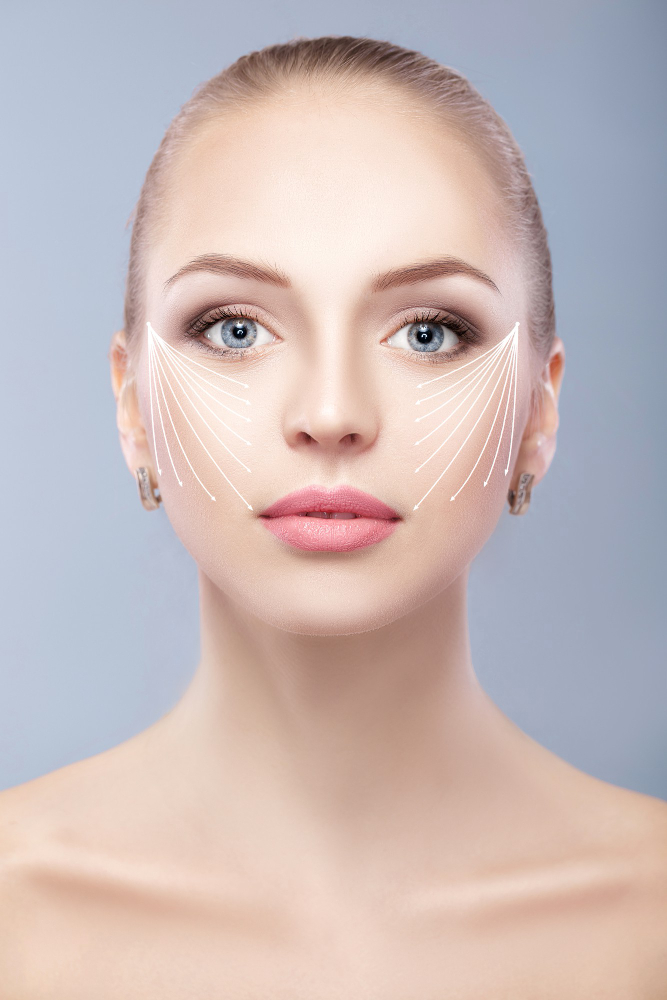
There is no single facelift technique that is suitable for every patient.
Some individuals mainly experience early jowling and loss of jawline definition, while others have more extensive tissue descent involving the cheeks, lower face, and neck. Facial volume loss, eyebrow position, eyelid changes, and skin quality may also influence the overall appearance.
During the consultation, the face is therefore evaluated as a whole. Facial proportions, tissue position, skin characteristics, volume distribution, previous treatments, medical history, and expectations are considered together. The most appropriate surgical technique and any complementary procedures are then determined individually.
The aim of personalized planning is to achieve a balanced and natural facial rejuvenation while preserving individual expression and prioritizing surgical safety.
The information provided on this page is intended for general informational purposes only. It does not replace diagnosis, treatment, or personalized medical advice. The appropriate surgical plan should be determined after an individual examination by a specialist in Plastic, Reconstructive and Aesthetic Surgery.
Formu doldurarak estetik cerrahi süreciniz hakkında ilk adımı atabilirsiniz. Ekibimiz, talebiniz doğrultusunda sizinle iletişime geçerek uygun görüşme planlamasını sağlayacaktır.