
Breast reconstruction is a personalized reconstructive surgical process designed to restore the shape, volume, and contour of one or both breasts following mastectomy, breast-conserving cancer surgery, trauma, or selected congenital conditions. Reconstruction may be performed using breast implants, the patient’s own tissue, or a combination of techniques.


Breast reconstruction is an important part of reconstructive plastic surgery and may be considered after partial or complete removal of breast tissue. The goal is to recreate a breast contour that is balanced with the patient’s body while taking cancer treatment, existing tissues, general health, and individual expectations into consideration.
There is no single reconstruction technique that is appropriate for every patient. Depending on the individual situation, reconstruction may be performed at the same time as mastectomy or at a later stage. Treatment options may include implant-based reconstruction, reconstruction using the patient’s own tissue, or a combination of both approaches.
Breast reconstruction may be considered for individuals who:
Not every patient requires or chooses breast reconstruction. Following mastectomy, patients may also choose to remain flat or use an external breast prosthesis. Reconstruction is a personal decision and should be discussed within the context of the patient’s cancer treatment, health, lifestyle, and preferences.
The timing and type of reconstruction may also be influenced by planned chemotherapy or radiotherapy, previous operations, smoking, body composition, available donor tissue, and other medical factors.
Breast reconstruction planning requires an individualized and multidisciplinary approach, particularly when reconstruction is related to breast cancer treatment.
During the consultation, the following factors may be evaluated:
Reconstruction may be performed as immediate reconstruction, during the same operation as mastectomy, or as delayed reconstruction, after completion of cancer treatment or at another appropriate time.
The most appropriate timing is determined in coordination with the patient’s breast surgeon, oncologist, radiation oncologist, and plastic surgeon when necessary.
The surgical process depends significantly on the selected reconstruction technique.
Implant reconstruction may be performed in one stage or through a staged process.
In staged reconstruction, a tissue expander may first be placed beneath or above the chest muscle, depending on the surgical plan. The expander is gradually filled over time to prepare the breast area, and it is later replaced with a permanent implant.
In suitable patients, direct-to-implant reconstruction may be considered without a separate expansion stage.
Autologous reconstruction uses tissue transferred from another part of the patient’s body.
Depending on the technique, tissue may be obtained from:
Some flap procedures preserve the tissue’s original blood supply, while microsurgical techniques completely transfer the tissue and reconnect its blood vessels in the chest using microsurgery.
Because autologous procedures involve both the breast and a donor site, they are generally more extensive than implant-based reconstruction, but they may be appropriate for selected patients based on anatomy and treatment history.
Breast reconstruction may involve more than one operation. Later procedures may be performed to improve breast shape, correct asymmetry, perform fat grafting, adjust the opposite breast, or reconstruct the nipple and areola.
The complete reconstructive process is therefore individualized and may extend over several stages.
Recovery after breast reconstruction varies considerably depending on whether the procedure involves an implant, tissue expander, autologous flap, or combination of techniques.
After surgery, dressings are generally applied to the incisions, and a supportive surgical bra may be recommended. Temporary drains may also be placed to remove fluid from the surgical areas.
During the early recovery period, patients may experience:
Patients receive individualized instructions regarding:
Implant-based and autologous tissue reconstructions have different recovery periods. More extensive flap procedures generally require a longer hospital stay and recovery because surgery is performed on both the chest and donor area. The recovery plan should therefore be discussed according to the specific reconstructive technique.
A reconstructed breast shape is often visible immediately after surgery, but the early appearance does not represent the final result.
Swelling, tissue tightness, surgical scars, and changes related to healing can affect the initial breast shape. Over the following weeks and months, swelling gradually decreases and the tissues become softer and more settled.
Some patients undergo breast reconstruction in multiple stages. The final result may therefore not be fully evaluated until procedures such as implant exchange, fat grafting, symmetry surgery, or nipple-areola reconstruction have been completed.
Surgical scars also change over time and generally continue to mature for many months.
It is important to understand that a reconstructed breast will not be identical to the natural breast that was removed. Differences in shape, movement, sensation, and symmetry may remain despite reconstruction.
Breast reconstruction is intended to provide a long-lasting restoration of breast shape, but the reconstructed breast can continue to change over time.
Factors that may affect the long-term result include:
Autologous tissue becomes a living part of the body and can change with weight fluctuations and aging.
Implant-based reconstruction may also provide long-lasting results, but breast implants are not considered lifetime devices. Implant-related problems or changes in the surrounding tissues may eventually require additional monitoring, replacement, removal, or revision surgery.
Patients should therefore continue both reconstructive follow-up and appropriate breast cancer surveillance according to their individual medical plan.
Breast reconstruction is a major surgical procedure and involves both general surgical risks and technique-specific complications.
Possible risks may include:
Implant-based reconstruction may additionally involve:
Autologous reconstruction may involve complications at both the breast and donor site. Partial or complete loss of transferred tissue can occur if the blood supply is compromised, although complete flap loss is uncommon in experienced reconstructive settings.
Because reconstructive options have different advantages, limitations, and risks, the decision should be made through detailed individualized consultation.
Yes. In suitable patients, reconstruction may be performed immediately during the same operation as mastectomy. In other patients, delayed reconstruction may be more appropriate because of cancer treatment requirements, medical conditions, or personal preference.
No. Breast reconstruction can be performed using implants, the patient’s own tissue, or a combination of both. The most appropriate option depends on anatomy, cancer treatment, available donor tissue, previous surgery, and individual preferences.
Implant reconstruction creates breast volume using a prosthetic implant. Autologous reconstruction uses tissue transferred from another part of the patient’s own body.
The procedures differ in surgical complexity, recovery, donor-site considerations, long-term changes, and potential complications.
Sensation in the reconstructed breast is commonly reduced or absent after mastectomy because nerves are affected during breast removal. Some sensation may improve over time, but normal sensation should not be expected in every patient.
The timing and type of reconstruction should be coordinated with the patient’s oncology treatment plan. Factors such as chemotherapy and especially planned or previous radiotherapy may influence the recommended reconstructive approach.
For this reason, reconstruction planning is often performed together with the breast surgery and oncology teams.
In selected patients, procedures such as breast lift, reduction, or augmentation may be considered on the opposite breast to improve overall symmetry.
The need and timing of symmetry procedures are determined individually.
It may. Some reconstructions are completed in one main operation, while others require multiple stages.
Additional procedures may include tissue-expander replacement, implant revision, fat grafting, scar revision, symmetry surgery, or nipple-areola reconstruction.
Yes. Delayed breast reconstruction may be considered months or even years after mastectomy, provided the patient is medically suitable and an appropriate reconstructive option is available.
Breast reconstruction aims to restore breast shape and improve body symmetry, but it cannot completely recreate the original natural breast. Differences in sensation, movement, scars, contour, and symmetry may remain.
Realistic expectations are therefore an important part of reconstructive planning.
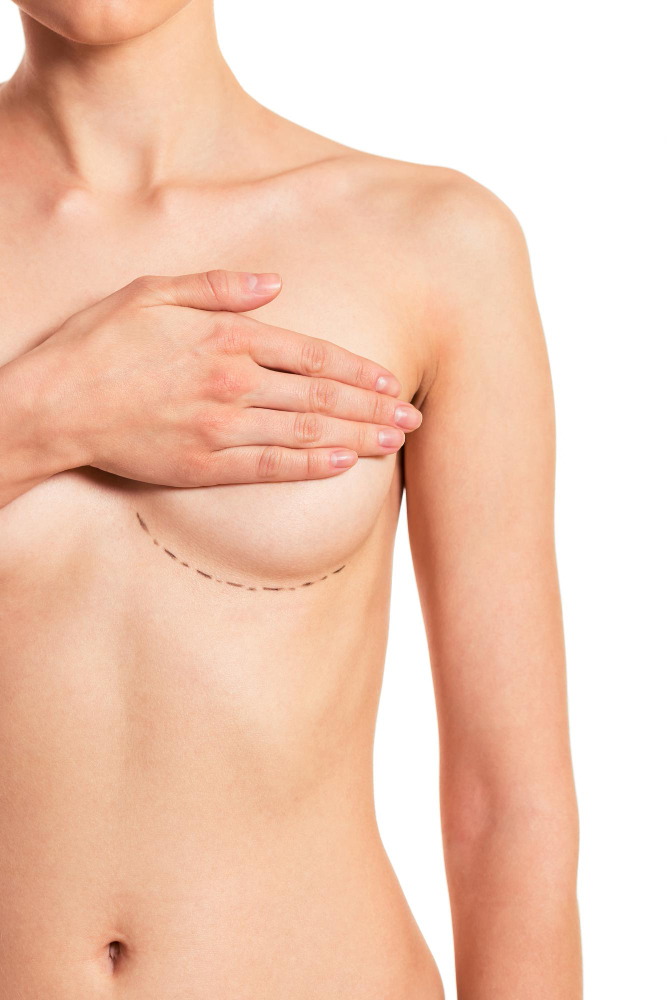
Breast reconstruction is one of the most individualized areas of reconstructive plastic surgery. There is no single technique or timing that is suitable for every patient.
During the consultation, the patient’s cancer treatment history or treatment plan, remaining breast tissues, body anatomy, available donor areas, general health, previous surgery, lifestyle, and personal priorities are evaluated together.
The potential advantages and limitations of implant-based reconstruction, autologous tissue reconstruction, and combined techniques are discussed in detail. The possibility of immediate or delayed reconstruction and the potential need for staged procedures are also considered.
The aim of personalized planning is to develop a reconstructive approach that is medically appropriate while respecting the patient’s individual anatomy, treatment journey, and expectations.
The information provided on this page is intended for general informational purposes only. It does not replace diagnosis, cancer treatment planning, or personalized medical advice. Breast reconstruction should be planned through an individual assessment by appropriate breast surgery, oncology, and Plastic, Reconstructive and Aesthetic Surgery specialists when required.
Formu doldurarak estetik cerrahi süreciniz hakkında ilk adımı atabilirsiniz. Ekibimiz, talebiniz doğrultusunda sizinle iletişime geçerek uygun görüşme planlamasını sağlayacaktır.