
Lip aesthetics includes personalized procedures designed to improve the volume, shape, symmetry, contour, and relationship of the lips with surrounding facial features. Depending on the patient’s anatomy and expectations, treatment may involve minimally invasive procedures such as dermal fillers or selected surgical techniques for reshaping or reducing the lips.
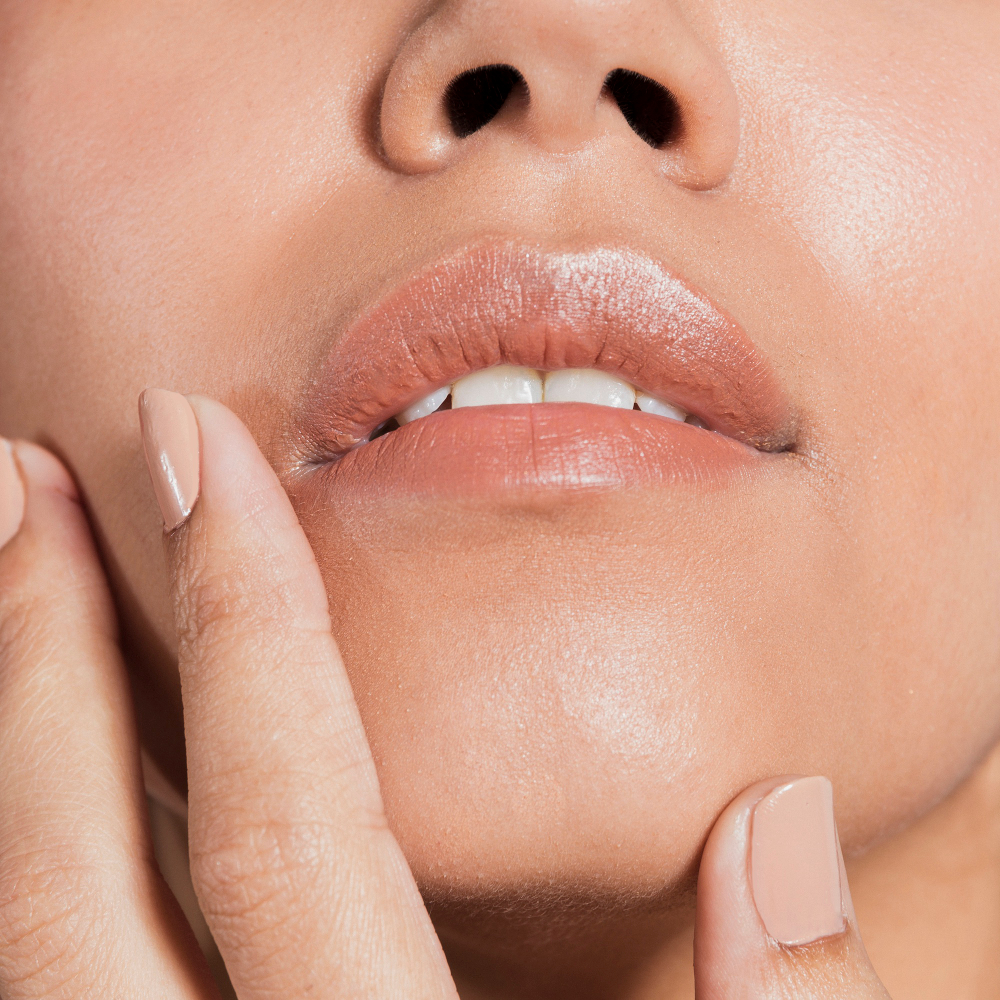

The lips play an important role in facial expression and in the balance between the nose, chin, and lower face. Their appearance is influenced not only by volume but also by lip shape, symmetry, the definition of the borders, the relationship between the upper and lower lips, and the surrounding facial anatomy.
Lip aesthetics therefore does not aim to create the same lip shape for every patient. Treatment is planned according to the individual’s natural lip anatomy, facial proportions, age-related changes, and desired degree of enhancement. Depending on the concern, subtle volume enhancement, contour definition, correction of asymmetry, or surgical reshaping may be considered.
Lip aesthetic procedures may be considered for individuals who have concerns such as:
The appropriate treatment depends on the underlying concern. A patient who wants subtle additional volume may require a different approach from someone seeking correction of significant asymmetry or surgical reduction of the lips.
General health, previous procedures, medications, allergies, history of cold sores, expectations, and the characteristics of the lip and surrounding tissues should be evaluated before treatment.
Planning begins with an evaluation of the lips together with the entire lower face.
During the consultation, the following features may be assessed:
The objective is not simply to increase volume. Excessive or poorly distributed volume may create an appearance that is not in harmony with the patient’s facial features. Therefore, the amount, location, and type of treatment should be determined individually.
When dermal filler is considered, the specific product, injection areas, expected duration, possible need for future maintenance, and potential risks should be discussed before treatment.
The method used for lip aesthetics depends on the treatment selected.
Dermal fillers can be injected into selected areas of the lips to increase volume, improve contour, or address specific asymmetries. Treatment is planned according to the patient’s existing anatomy rather than simply applying the same amount of filler to every area.
After the treatment area is evaluated and prepared, the filler is carefully injected into predetermined points. The amount and distribution of the product are adjusted according to the desired degree of correction.
Surgical procedures may be considered when the concern cannot be adequately addressed with injectable treatments. Depending on the anatomy, surgery may be used to reduce excessive lip volume or reshape selected areas.
The location of the incisions and the surgical technique vary according to the type of correction required. Because lip lift surgery is a distinct procedure that changes the position of the upper lip, it is evaluated separately from standard volume-enhancing lip treatments.
The appropriate technique is therefore determined according to the patient’s anatomy and treatment goals.
Recovery varies depending on whether the patient undergoes an injectable or surgical procedure.
After dermal filler injections, temporary swelling, bruising, redness, tenderness, numbness, or a feeling of firmness may occur. Most normal daily activities can often be resumed quickly, although intense physical activity may be restricted during the first 24 to 48 hours to help reduce swelling and bruising.
The lips may initially appear more swollen or fuller than expected. The appearance generally becomes more natural as the early swelling decreases.
Recovery after surgical lip procedures is generally longer and depends on the extent of the operation. Swelling, tenderness, temporary changes in sensation, and discomfort may occur during the early healing period.
Post-treatment instructions should be followed carefully, and patients should contact their physician promptly if they experience unusual pain, significant changes in skin color, visual symptoms, or other unexpected findings after an injectable treatment. Serious vascular complications from dermal fillers are rare but require urgent medical assessment.
With dermal filler treatment, changes in lip volume and contour are generally visible immediately. However, early swelling may temporarily affect the appearance, and the result is better evaluated after the initial swelling has decreased.
The final appearance depends on the amount and type of filler used, the treatment technique, the patient’s anatomy, and the individual response of the tissues.
Following surgical procedures, changes may also be visible early, but swelling and tissue healing mean that the final contour develops gradually over time.
For this reason, the lips should not be evaluated solely according to their appearance immediately after treatment.
The duration of the result depends on the type of procedure performed.
Dermal fillers are generally temporary. The duration varies according to the filler material, treatment area, amount used, and individual characteristics. Maintenance treatments may therefore be required to preserve the result over time.
Surgical procedures designed to permanently reshape or reduce the lips generally provide longer-lasting structural changes. However, the natural aging process continues, and changes in the skin, soft tissues, dental support, and facial structure may affect the appearance of the lips over time.
The longevity and expected evolution of the result should therefore be discussed according to the specific procedure selected.
The risks associated with lip aesthetics depend on the treatment performed.
Possible side effects and complications associated with dermal fillers may include:
The most serious but uncommon filler complication is unintentional injection into a blood vessel. This can interfere with blood flow and may cause tissue damage. Rare but serious complications reported with vascular injection include skin necrosis, visual impairment including blindness, and stroke.
Surgical lip procedures may also carry risks such as:
The risks, benefits, alternatives, and expected results should be discussed individually before any procedure is performed.
A natural-looking result depends on respecting the patient’s existing lip anatomy and overall facial proportions. Rather than simply maximizing volume, treatment should consider the relationship between the upper and lower lips, facial profile, lip contour, and surrounding structures.
The amount and distribution of any added volume should therefore be personalized.
There is no standard amount that is appropriate for every patient. The amount required depends on the existing lip volume, tissue characteristics, desired change, previous treatments, and the specific filler product being used.
A more gradual approach may be appropriate when subtle enhancement is preferred.
Most dermal fillers used for soft-tissue augmentation are temporary and gradually diminish over time. The duration of the result varies according to the product and the individual patient, and repeat treatment may be needed to maintain the desired appearance.
Temporary swelling is common after filler injections. Its degree and duration vary from person to person, and the lips may initially appear more voluminous than the eventual result. Most routine reactions improve progressively as the tissues settle.
Selected differences in lip volume or contour may be improved with personalized treatment. However, perfect symmetry cannot be guaranteed, as natural differences between the two sides of the face and lips are common.
The cause and degree of asymmetry should be evaluated before deciding on the most appropriate treatment.
Lip filler primarily adds volume or changes selected contours through injection. A lip lift is a surgical procedure that changes the position of the upper lip by shortening the distance between the upper lip and the base of the nose. The two procedures therefore address different anatomical concerns.
In selected patients with naturally excessive lip volume or specific contour concerns, surgical lip reduction may be considered. The technique and amount of tissue reduction must be individually planned to preserve an appropriate relationship between the lips and surrounding facial features.
No cosmetic procedure is completely risk-free. Most filler-related side effects are temporary, but serious complications can occur in rare cases, particularly if filler is unintentionally injected into a blood vessel. For this reason, appropriate medical assessment and knowledge of facial anatomy are important.

There is no single lip shape or volume that is suitable for every face. Successful lip aesthetics begins with evaluating the lips together with the nose, chin, facial profile, smile, and surrounding soft tissues.
During the consultation, the natural shape and volume of the lips, symmetry, upper-to-lower lip relationship, previous treatments, and the patient’s expectations are evaluated. Based on these factors, the most appropriate treatment method and degree of correction are determined individually.
The aim of personalized planning is to improve lip balance and contour while preserving the patient’s natural facial characteristics rather than creating a standardized appearance.
The information provided on this page is intended for general informational purposes only. It does not replace diagnosis, treatment, or personalized medical advice. The appropriate procedure should be determined after an individual assessment by a qualified medical professional.
Formu doldurarak estetik cerrahi süreciniz hakkında ilk adımı atabilirsiniz. Ekibimiz, talebiniz doğrultusunda sizinle iletişime geçerek uygun görüşme planlamasını sağlayacaktır.