
Eyelid aesthetics, also known as blepharoplasty, is a surgical procedure designed to address excess skin, localized fat deposits, and contour changes in the upper and/or lower eyelids. The procedure is planned individually to create a more balanced appearance around the eyes while preserving natural eyelid function.


The eye area is one of the facial regions where age-related changes, genetic characteristics, skin laxity, and changes in soft tissues may become noticeable. Excess upper eyelid skin, puffiness, or under-eye bags can affect the overall appearance of the face and, in selected cases, excessive upper eyelid skin may also interfere with the visual field.
Eyelid surgery is not designed to create the same eye shape for every patient. The upper and lower eyelids, eyebrow position, surrounding facial structures, skin quality, eye health, and the patient’s expectations should be evaluated together to determine the most appropriate approach.
Eyelid aesthetic surgery may be considered for individuals who experience concerns such as:
Suitable candidates should generally be in appropriate overall health for surgery, have realistic expectations, and not have serious untreated eye conditions that could negatively affect the procedure or healing process.
Because dry eye, previous eye surgery, vision problems, eyelid position, and other eye-related conditions can influence treatment planning, a detailed medical and ocular history is important before surgery.
Planning begins with a detailed evaluation of the eyelids and the surrounding facial anatomy.
During the consultation, the following factors may be assessed:
The surgeon also evaluates whether the appearance that concerns the patient is caused primarily by excess eyelid skin or whether other factors, such as eyebrow descent or eyelid ptosis, are contributing to the overall appearance.
Upper and lower eyelid procedures are therefore planned separately according to the individual anatomical problem. Some patients may require upper eyelid surgery only, while others may benefit from lower eyelid surgery or a combined approach.
The surgical technique varies depending on whether the upper eyelids, lower eyelids, or both are treated.
In upper blepharoplasty, the incision is generally positioned within the natural upper eyelid crease. Through this incision, selected excess skin can be removed, and fat deposits may be removed or repositioned when necessary.
The incision is designed to follow the natural structures of the eyelid so that the resulting scar can become less noticeable as healing progresses.
Lower eyelid surgery may be performed through an incision placed just below the lower lash line. Through this approach, selected excess skin can be removed and fat deposits can be repositioned or reduced.
In suitable patients, a transconjunctival approach may be used, where the incision is made on the inside of the lower eyelid. This technique can be used to address selected fat deposits without an external skin incision, but it does not remove excess external skin.
The choice of technique depends on the patient’s anatomy, skin excess, fat distribution, eyelid support, and the specific changes being addressed.
Blepharoplasty may be performed under local anesthesia, sedation, or general anesthesia depending on the extent of the procedure and the individualized surgical plan.
Swelling, bruising, temporary irritation, dryness, tenderness, and a feeling of tightness may occur during the early recovery period. Temporary blurred vision can also occur, particularly when ointments are used around the eyes after surgery.
During recovery, patients may be advised to:
Bruising and swelling generally improve progressively over the first few weeks. Many patients feel socially comfortable after approximately 10 to 14 days, although individual recovery varies and residual swelling may continue for longer.
The exact timing for returning to work, driving, exercise, and regular daily activities should be determined according to the extent of surgery and individual healing.
Changes in the eyelid contour can be noticed during the early postoperative period, but swelling and bruising may initially affect the appearance.
As swelling decreases, the eyelids gradually become more defined and the surgical result becomes easier to evaluate. Although many patients appear considerably more healed within several weeks, complete healing and final settling of the tissues may take several months.
Surgical scars may initially appear pink, firm, or more noticeable. They generally continue to mature and become less prominent over time, although the final appearance of scars varies according to individual skin characteristics and healing.
The results of eyelid surgery are generally long-lasting. Excess skin and fat tissue that have been surgically removed do not simply return to their original state; however, blepharoplasty cannot stop the natural aging process.
Over time, changes may continue to occur due to:
The upper and lower eyelid areas may therefore continue to change gradually over the years.
Maintaining general health, protecting the skin from excessive sun exposure, and avoiding smoking may contribute to overall skin quality, although natural age-related changes will continue.
As with every surgical procedure, eyelid aesthetic surgery involves potential risks and complications.
These may include:
Because the eyelids are closely related to the surface and function of the eyes, pre-existing conditions such as significant dry eye or other ophthalmic problems may affect treatment planning. All relevant health conditions and previous eye problems should therefore be discussed before surgery.
Yes. Upper and lower blepharoplasty may be performed during the same surgical session in suitable patients. Whether both areas should be treated depends on the patient’s anatomy, concerns, general health, and the extent of the planned surgery.
Upper eyelid incisions are generally placed within the natural eyelid crease. Lower eyelid incisions may be positioned below the lash line or, in selected patients, inside the lower eyelid.
Although every external surgical incision creates a scar, incision placement is designed to make scars as discreet as possible within the natural eyelid anatomy.
Lower eyelid blepharoplasty can address selected under-eye bags caused by prominent fat deposits. Depending on the anatomy, the fat may be removed or repositioned rather than simply removed in every patient.
In selected patients, excessive upper eyelid skin may interfere with the visual field. Removing this excess skin can improve the obstruction caused by the skin itself. However, vision problems can have many different causes and should be evaluated appropriately before surgery.
No. Blepharoplasty primarily addresses excess skin and selected fat deposits. Ptosis occurs when the upper eyelid margin itself is positioned abnormally low, often because of problems involving the eyelid lifting mechanism, and may require a different surgical treatment.
Many patients become socially presentable within approximately 10 to 14 days as swelling and bruising improve, although complete recovery varies from person to person. Bruising and residual redness may remain visible for longer in some individuals.
Temporary dryness and irritation can occur after eyelid surgery. Patients with pre-existing dry eye symptoms should discuss them during the consultation because eye surface health may influence surgical planning and recovery.
Blepharoplasty results are generally long-lasting, but the natural aging process continues. Future changes in the eyelid skin, eyebrows, and surrounding facial tissues may gradually affect the appearance of the eye area over time.
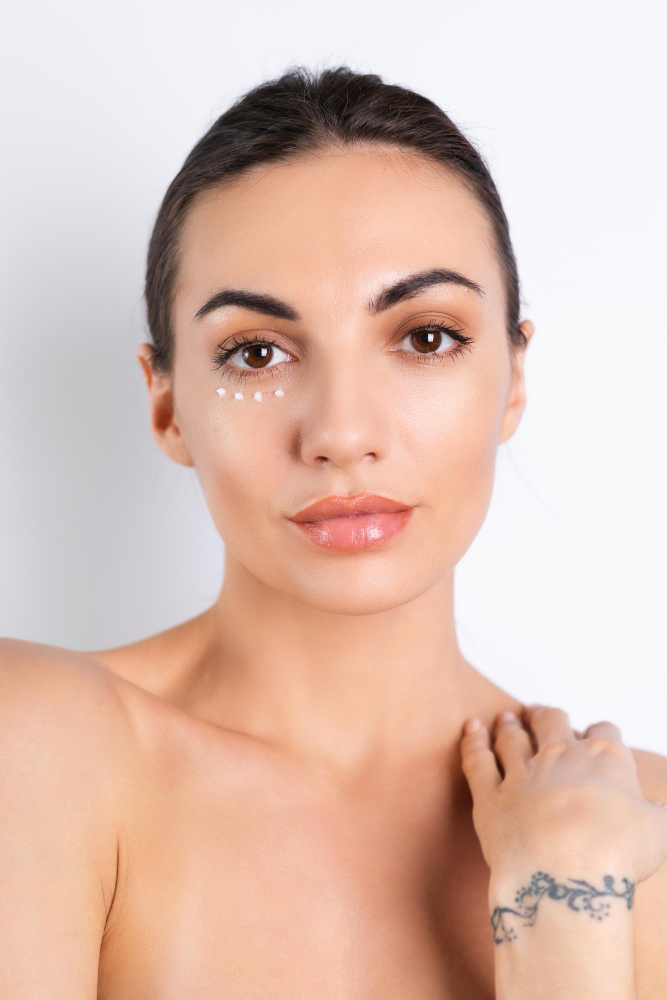
There is no single eyelid surgery technique that is suitable for every patient. Upper eyelid skin excess, under-eye bags, eyebrow position, eyelid support, eye health, facial proportions, and the patient’s expectations should all be evaluated together.
During the consultation, the surgeon determines whether the primary concern originates from the upper eyelid, lower eyelid, eyebrow position, eyelid ptosis, or a combination of different anatomical factors. The most appropriate surgical technique is then planned according to the individual findings.
The aim of personalized planning is to create a balanced and natural-looking eye area while preserving eyelid function and respecting the patient’s individual facial characteristics.
The information provided on this page is intended for general informational purposes only. It does not replace diagnosis, treatment, or personalized medical advice. The appropriate treatment should be determined after an individual examination by a specialist in Plastic, Reconstructive and Aesthetic Surgery.
Formu doldurarak estetik cerrahi süreciniz hakkında ilk adımı atabilirsiniz. Ekibimiz, talebiniz doğrultusunda sizinle iletişime geçerek uygun görüşme planlamasını sağlayacaktır.