
Breast reduction surgery is a surgical procedure designed to reduce excessive breast volume, reshape the remaining breast tissue, and create a breast size that is more proportionate to the body. The procedure may also help reduce physical discomfort associated with large and heavy breasts.


Large and heavy breasts can affect both body proportions and everyday comfort. Depending on the individual, excessive breast volume may be associated with neck, shoulder, and back discomfort, bra strap pressure, skin irritation beneath the breasts, and limitations during physical activity.
Breast reduction surgery focuses on reducing excess breast tissue and skin while reshaping and lifting the remaining tissue. The aim is to achieve a smaller, lighter, and more balanced breast contour that is in harmony with the patient’s body proportions.
Breast reduction surgery may be considered for individuals who experience:
The procedure may be performed at different ages depending on the individual situation, although breast development is generally expected to be complete when possible. Pregnancy and significant weight changes after surgery can alter the breast shape and affect long-term results.
Final suitability is determined after evaluating the patient’s general health, medical history, breast anatomy, smoking status, medications, expectations, and individual surgical risk factors.
Planning for breast reduction surgery begins with a detailed consultation and physical examination. Because breast size, skin quality, tissue composition, and the degree of sagging vary from person to person, the surgical plan is individualized.
During the consultation, the following factors may be evaluated:
The incision pattern and surgical technique are selected according to the individual anatomy and the amount of reduction required. In some cases, liposuction may also be used in combination with surgical tissue removal to improve the contour of selected areas.
Breast reduction surgery is generally performed under anesthesia using a surgical technique selected according to the patient’s anatomy and the planned amount of reduction.
After the incisions are made, excess breast tissue, fat, and skin are removed. The remaining breast tissue is reshaped and lifted to create a smaller and more supported breast contour.
The nipple and areola are usually repositioned while maintaining their connection to the underlying blood supply and nerves. If the areolas are enlarged, their diameter may also be reduced during surgery.
In very large reductions, different surgical techniques may occasionally be required depending on the anatomy and tissue characteristics. The incision pattern may be located around the areola, extend vertically toward the breast crease, or also continue along the crease beneath the breast.
After the desired breast shape has been created and symmetry has been assessed, the incisions are closed.
After breast reduction surgery, swelling, bruising, tenderness, and a feeling of tightness may occur during the first days. Dressings are generally applied to the incision areas, and a supportive surgical bra may be recommended during the healing period.
Physical activity is usually restricted during the initial stage of recovery. Short walks may be encouraged, while heavy lifting, strenuous exercise, and movements that place excessive tension on the chest should be avoided until sufficient healing has occurred.
Many patients gradually feel more comfortable during the first few weeks, but the exact time required to return to work depends on the type of work performed and the extent of the surgery. Swelling may continue to decrease over several weeks, while complete recovery and final tissue settling may take several months.
Postoperative instructions regarding wound care, supportive garments, medication use, sleeping position, exercise, and follow-up appointments should be followed carefully.
The reduction in breast volume can be seen immediately after surgery. However, postoperative swelling and bruising may initially affect the appearance of the final result.
As the swelling decreases and the tissues heal, the breasts gradually settle into a more natural position and shape. The final breast contour continues to develop over the following months.
Surgical scars are permanent but usually change in appearance over time. They may initially appear more noticeable and gradually become softer and less prominent as scar maturation progresses.
The final appearance of the scars depends on individual skin characteristics, wound healing, surgical technique, and postoperative care.
The results of breast reduction surgery can be long-lasting. However, the natural aging process and changes in the body can continue to affect breast shape over time.
Factors that may influence the long-term appearance of the breasts include:
Maintaining a relatively stable body weight may help preserve the surgical result for a longer period.
Pregnancy after breast reduction surgery may change breast volume and skin quality, which can alter the outcome of the previous procedure. For this reason, future pregnancy plans should be discussed during the consultation.
As with all surgical procedures, breast reduction surgery carries certain risks and possible complications.
These may include:
Smoking, individual health conditions, anatomy, and wound-healing characteristics can influence surgical risk. All potential complications, alternative options, and expected outcomes should be discussed during the preoperative consultation.
Excessive breast weight can contribute to physical symptoms such as neck, shoulder, and back discomfort in some patients. Breast reduction decreases the weight and volume of the breasts and may help reduce symptoms associated with overly large breasts. The degree of improvement varies from person to person.
The amount of reduction is planned according to the patient’s current breast size, body proportions, breast anatomy, tissue quality, and desired result. The goal is not based only on achieving a specific cup size but on creating a proportionate breast contour while considering surgical safety and tissue characteristics.
Yes. During breast reduction surgery, excess tissue and skin are removed, and the remaining breast tissue is generally reshaped and repositioned higher on the chest. Therefore, the procedure usually includes a lifting and reshaping component.
Yes. Breast reduction requires surgical incisions, so permanent scars are expected. The location and length of the scars depend on the surgical technique and the amount of reduction required.
Scars generally mature and become less noticeable over time, although their final appearance varies according to individual healing characteristics.
The ability to breastfeed may be affected by breast reduction surgery. Some patients may be able to breastfeed after the procedure, while others may experience reduced milk production or may not be able to breastfeed.
The effect depends on the surgical technique, the amount of tissue removed, and individual anatomical factors. Future breastfeeding plans should therefore be discussed with the surgeon before surgery.
The breast tissue does not simply return to its previous size because of the surgery itself. However, significant weight gain, pregnancy, hormonal changes, and aging may cause changes in breast volume and shape over time.
Maintaining a stable weight may help preserve the result for longer.
Recovery varies depending on the extent of surgery and the individual healing process. Many patients begin returning to lighter daily activities within the first few weeks, while strenuous exercise and heavy lifting are usually resumed more gradually after approval from the surgeon.
Complete recovery and final tissue settling may take several months.
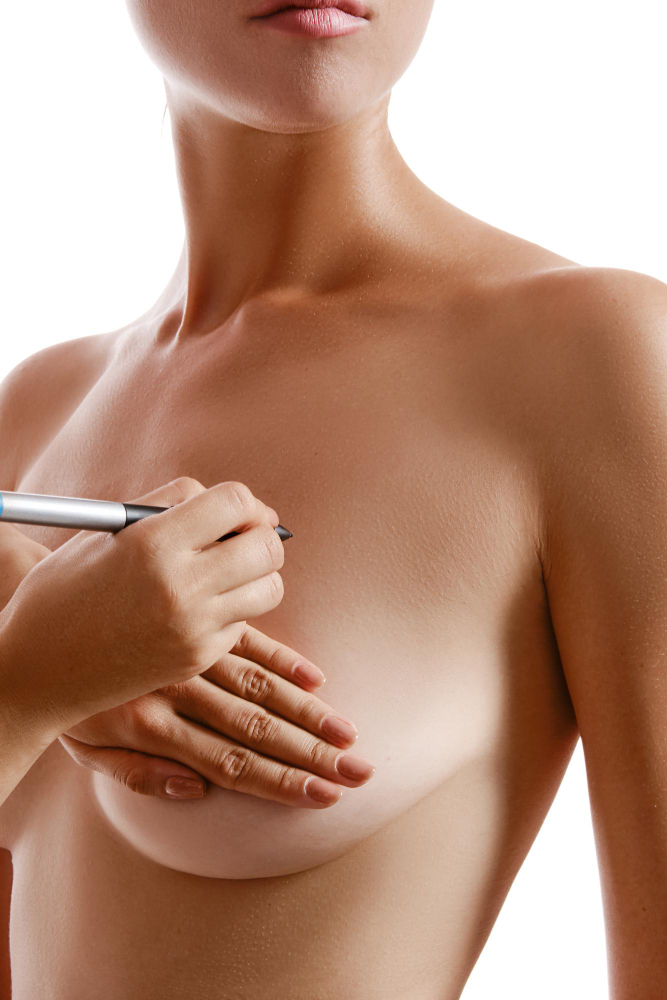
There is no single breast size or reduction technique that is suitable for every patient. Breast reduction surgery should be planned according to the individual’s breast anatomy, body proportions, degree of sagging, existing symptoms, lifestyle, and expectations.
During the consultation, detailed breast measurements are taken, the amount and distribution of breast tissue are evaluated, and the most appropriate surgical approach is determined.
The incision pattern, planned amount of reduction, nipple position, expected breast shape, possible scars, recovery process, and individual surgical risks are discussed as part of personalized planning.
The aim is to create a smaller and more balanced breast contour while considering both aesthetic proportions and the patient’s individual anatomical characteristics.
The information provided on this page is intended for general informational purposes only. It does not replace diagnosis, treatment, or personalized medical advice. The decision to undergo surgery should be made after an examination performed by a specialist in Plastic, Reconstructive and Aesthetic Surgery.
Formu doldurarak estetik cerrahi süreciniz hakkında ilk adımı atabilirsiniz. Ekibimiz, talebiniz doğrultusunda sizinle iletişime geçerek uygun görüşme planlamasını sağlayacaktır.